Welcome to a concise fashion blog guide focused on modern chic trends and chic styles for readers across the United States. This article aims to help you stay fashion-forward with clear trend insights, practical wardrobe strategy, styling tips, sustainable choices, beauty pairings, street style inspiration, and blog-building advice.
The main keyword for this piece is fashion blog, and the article is titled “Chic Trends & Styles – Your Fashion Blog Guide.” The meta description reads: “Explore the latest chic trends and essential styles on our fashion blog, your ultimate guide to staying fashion-forward!” Expect a friendly, accessible tone and U.S.-focused examples throughout.
Anúncios
We’ll move through a logical style guide: first define what makes an outfit chic, then cover seasonal trends, wardrobe staples, fit and body-type tips, accessorizing, color theory, sustainable choices, beauty complements, street style, outfit photography, and practical blogging and monetization strategies.
Each section will include actionable tips, brand references like Everlane, Levi’s, and Madewell, and real examples to make the advice useful and authentic. This fashion blog guide balances inspiration with steps you can use today to refine a chic wardrobe and present it well online.
Anúncios
Key Takeaways
- The fashion blog will focus on contemporary chic trends and practical styling advice for a U.S. audience.
- This style guide balances seasonal trends with timeless wardrobe staples and sustainable choices.
- Expect clear, actionable tips and real-brand examples to make outfits feel authentic and wearable.
- The content will cover beauty pairings, street style inspiration, and how to present looks online.
- The article sequence is designed to build from definition to application, then to blogging and monetization.
Understanding Chic: What Defines Modern Elegance
To define chic in fashion, start with history. The word came from French salons and Parisian ateliers in the 19th century. Designers such as Coco Chanel reshaped what we call modern elegance. Hubert de Givenchy and mid-century houses tightened the link between tailoring and effortless polish. Recent figures like Phoebe Philo and brands like Celine and The Row have renewed the chic aesthetic for today.
The evolution traces fashion history from couture to ready-to-wear and the rise of streetwear mixing with luxury. That blending expanded what people accept as chic. When sneakers meet a tailored coat, the result can still read as chic if the balance feels intentional.
Origin and evolution of the chic aesthetic
Paris gave us the early blueprint. Chanel simplified womenswear and prioritized comfort without losing refinement. Givenchy and later designers emphasized cut and proportion. In the 2000s and 2010s, directional designers married minimalism with luxury fabrics to form a contemporary view of chic aesthetic.
Street culture added new language. Logos, athletic details, and casual footwear entered high fashion. The result refreshed the definition while keeping core rules about fit and quality intact.
Key elements that make an outfit look chic
An outfit reads chic when silhouettes are clean and the fit is precise. Quality fabrics such as wool, silk, and cashmere lift the look. Neutral palettes usually project calm confidence, and a single well-chosen accent can make the outfit sing.
Practical examples include a tailored blazer with a silk blouse and straight-leg trousers. Tailored seams, thoughtful proportion, and restrained accessories complete the effect. Small details like a neat hem or structured collar matter more than flashy logos.
How minimalism and maximalism influence chic styling
Minimalist chic focuses on simplicity, neutral colors, and refined basics. The idea is fewer pieces with better lines and fabric. Maximalist chic celebrates pattern, layered jewelry, and bold texture. Both paths can achieve a chic outcome when handled with restraint and intent.
To balance the two, choose one focal point. Pair a statement coat or bold print with pared-back foundation pieces. Match textures or color tones to keep the look cohesive. This method helps merge minimalist chic and maximalist chic without creating visual conflict.
| Aspect | Minimalist Chic | Maximalist Chic |
|---|---|---|
| Silhouette | Clean, streamlined | Layered, complex |
| Color | Neutral palette | Bold hues and contrasts |
| Fabrics | High-quality basics like wool and silk | Mixed textures: brocade, velvet, sequins |
| Accessories | One refined piece, like a leather belt | Layered jewelry and statement bags |
| Example Outfit | Tailored blazer, silk blouse, straight-leg trousers | Printed dress, statement coat, stacked necklaces |
| Key to Chic | Impeccable fit and restraint | Controlled drama and cohesion |
Seasonal Trends to Watch This Year
Each season brings fresh energy for styling. Track seasonal trends to keep a closet that feels current and wearable. Below are practical picks and easy swaps to carry looks from one season to the next.
Spring highlights: colors and lightweight fabrics
Spring fashion leans into pastels like lavender and mint with pops of revived neon used sparingly. Choose floral midi skirts and linen trousers for a breezy base.
Seasonal fabrics for spring include linen, cotton voile, silk blends, and seersucker. These materials breathe well and layer without bulk.
Capsule pieces to consider are a lightweight trench, a silk-blend blouse, and pieces from Everlane, J.Crew, or Reformation for longevity and style.
Summer must-haves: breathable silhouettes and statement accessories
Summer style favors airy shapes: linen dresses, cotton poplin shirts, and wide-leg pants. Focus on loose tailoring to stay cool in heat.
Sun-friendly seasonal fabrics such as Tencel and organic cotton improve comfort and sustainability. Swap heavy heels for colorful sandals to finish looks.
Statement accessories update simple outfits. Oversized straw bags, bold sunglasses, and eye-catching sandals from Madewell, Mango, or Tory Burch lift any warm-weather outfit.
Fall and winter transitions: layering techniques and outerwear trends
Transitioning into cooler months calls for smart layering. Try a slip dress over a thin turtleneck or a knit vest atop a crisp shirt for depth and warmth.
Outerwear trends include long tailored coats, leather trenches, and neutral-tone puffers. Look for wool blends, shearling trims, and sustainable down alternatives.
Invest in quality outerwear from Aritzia, Everlane, or Patagonia to combine function and elevated style as fall winter trends evolve.
Wardrobe Staples Every Chic Closet Needs
Build a reliable wardrobe by focusing on versatile pieces that work from day to night. Start with a clear list of essentials and add as you discover what fits your life. Small edits keep a closet feel curated and calm.
Timeless pieces: the little black dress, tailored blazer, and classic jeans
The little black dress remains the fastest route to polished evening style. Choose a cut that flatters your shape and can be dressed up with heels or down with a denim jacket.
A well-cut tailored blazer elevates casual items in an instant. Brands like Theory, J.Crew, and COS offer structured options that hold their shape and pair with skirts or trousers.
Classic jeans—mid-rise straight or slim straight—serve as the backbone of casual chic. Levi’s has dependable fits that balance comfort and style for everyday wear.
Shoes and bags that elevate any look
Shoes and bags transform outfits with minimal effort. Keep black leather ankle boots, pointed-toe pumps, white leather sneakers, and loop-back loafers on rotation.
Choose a structured leather tote for work days and a compact crossbody for weekends. Sam Edelman and Everlane deliver budget-friendly options while Gucci and Saint Laurent provide aspirational styles.
Investing in quality vs. quantity
Think of investment pieces as purchases that lower your cost per wear. Splurge on outerwear, shoes, and handbags that will be repaired or resoled over time.
Save on trend-driven items and seasonal pieces. Proper care extends life—use padded hangers, breathable garment bags, and regular shoe maintenance.
When pieces no longer serve you, resale channels like The RealReal, Poshmark, or local consignment shops offer a way to recoup value and support circular fashion.
Styling Tips for Different Body Types
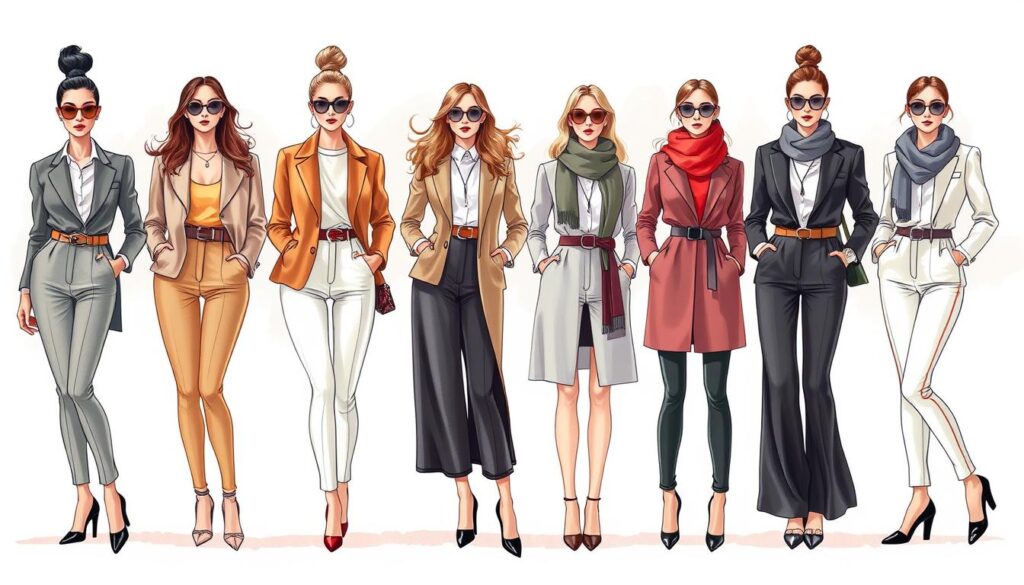
Good proportion, balance, and fit make an outfit look intentional. Start by identifying your natural lines and aim to highlight them. A defined waist reads as polished, while vertical details help elongate the frame. These simple styling tips set a reliable fit guide for dressing with ease.
Accentuating your best features with proportion and fit
Use belts or fitted jackets to create a clear waistline. V-necklines and long cardigans draw the eye up and down, giving a longer silhouette. For added balance, place volume where you want emphasis, such as A-line skirts to offset fuller hips.
Structured shoulders give the upper body presence for those who want more shape. Pair those with high-rise trousers to lift and define the waist. Small choices, like sleeve length and cuff placement, refine the overall proportion.
Fabric and cut recommendations for common body shapes
Pear shapes benefit from A-line skirts, high-rise straight jeans, and boat-neck tops that broaden the shoulder line. Fabrics with structure, such as twill or wool blends, keep skirts and trousers crisp.
Apple shapes look great in empire waists, wrap dresses, and structured jackets that create definition at the midsection. Choose fabrics that drape, like rayon blends and silk, to skim rather than cling.
Rectangular shapes gain curves with peplum tops, belted coats, and tailored trousers. Look for medium-weight fabrics that hold a silhouette, such as cotton blends and ponte.
Hourglass figures shine in wrap dresses and high-waist skirts that emphasize a narrow waist. Stretch-cotton blends and viscose offer comfort while following natural curves.
Accessible tailoring tips to create a custom fit
Simple alterations transform off-the-rack pieces. Hemming jeans and sleeves improves proportion instantly. Taking in side seams or adding darts refines fit around the waist and bust.
Shortening a wide hem or adjusting a jacket at the waist can modernize an older garment. For reliable tailor advice, consider in-store services from Nordstrom or Neiman Marcus. Mobile alteration services and local independent tailors offer flexible options for busy schedules.
Use this practical fit guide to build outfits that flatter your frame. With small adjustments and purposeful styling tips, every closet can feel more tailored to your life and shape.
Accessorizing: Jewelry, Scarves, and Statement Pieces
Small details change an outfit more than you might expect. Thoughtful accessorizing can lift a simple dress or give new life to a tailored blazer. Use these practical styling tips to make each element work together without competing for attention.
Match metal tones to your outfit palette and skin undertones for cohesive jewelry styling. Choose delicate necklaces for high collars and slender silhouettes. Save chunky cuffs and layered chains for sleeveless or open-neck looks.
Consider brands that blend quality with daily wearability. Mejuri, Gorjana, and Monica Vinader offer pieces that work for daytime and evening. For aspirational buys, look to Tiffany & Co. or David Yurman when you want a lasting investment.
Scarves and belts provide quick shape shifts. A silk twill scarf tied at the neck or looped as a headband adds polish. Swap a scarf for a bag wrap to inject color into a neutral outfit.
Belt choices alter proportions. A wide belt defines the waist on an oversized coat. A thin leather belt can subtly refine trousers or pull a dress together. Try silk scarves as improvised belts for a softer look.
When selecting statement jewelry, limit yourself to one focal piece per outfit. Let a bold enamel cuff sit with a monochrome sweater. Pair dramatic earrings with a sleek ponytail and a minimalist dress to avoid clutter.
Use contrast thoughtfully. If you wear statement jewelry, keep fabrics and patterns low-key. If your outfit is maximal, choose smaller, tonal accessories that echo a single color or texture.
Below is a quick comparison to guide everyday choices. It shows when to pick delicate pieces versus bold items and suggests brand options across budgets.
| Situation | Best Accessory Type | Why It Works | Brand Examples |
|---|---|---|---|
| High-collar blouse for work | Delicate pendant or stud earrings | Maintains clean lines and professional polish | Mejuri, Gorjana |
| Sleeveless evening dress | Chunky cuff or layered necklaces | Adds drama and balances exposed arms | Monica Vinader, David Yurman |
| Oversized coat | Wide belt or structured leather belt | Defines waist and converts volume into shape | Madewell, Anthropologie |
| Casual jeans and tee | Silk scarf as headband or bag tie | Introduces color without heavy commitment | Hermès (iconic), Madewell (affordable) |
| Minimalist dress for an event | Statement earrings | Creates a focal point while keeping garment simple | Tiffany & Co., Gorjana |
Color Theory for Chic Outfits
Start with simple rules to make dressing easier and more confident. Good color choices lift a look and keep outfits feeling intentional. Use neutral anchors, add a few accents, and think like a stylist when you build outfits.
Building a cohesive palette for your wardrobe
Pick core neutrals such as black, navy, camel, and cream. These create a reliable base for day-to-day dressing. Add two to three accent colors that flatter your skin tone and repeat them across tops, scarves, and accessories to unify outfits.
Try a capsule wardrobe approach by limiting pieces to a handful of hues. Use Pinterest boards and color swatch apps to preview combinations before you shop. A concise wardrobe palette simplifies dressing and stretches your closet creativity.
Seasonal color shifts and how to adopt them
Shift colors slowly by introducing seasonal colors through accessories or layering pieces. For spring, add a mint blouse to a neutral base. For fall, swap in rust or olive knitwear. Small swaps feel fresh without overhauling your entire closet.
Follow seasonal forecasts like Pantone to spot emerging trends. Retailers such as Zara and H&M often reflect these trends quickly, making it easy to test a hue without heavy investment.
Mixing patterns and textures while maintaining elegance
Anchor bold prints with a neutral base to keep looks grounded. Use scale contrast when mixing patterns: pair a small stripe with a large floral for balance. Tie patterns together with a shared undertone or matching accent color.
Texture mixing adds depth. Combine silk with wool or leather with knit to create tactile contrast that reads polished. Keep one element refined, such as a silk blouse, and let the textured pieces support the overall look.
| Strategy | Practical Tip | Why it Works |
|---|---|---|
| Neutral Anchors | Build outfits around black, navy, camel, cream | Creates a stable base for adding accent colors and prints |
| Accent Colors | Choose 2–3 repeatable hues that flatter your complexion | Maintains cohesion across sets and reduces decision fatigue |
| Seasonal Swaps | Introduce seasonal colors via scarves, shoes, or a single top | Updates looks without needing a full wardrobe refresh |
| Pattern Mixing | Mix scales and unify with a shared color or undertone | Keeps looks interesting while staying visually balanced |
| Texture Mixing | Pair smooth fabrics like silk with textured wool or knit | Adds luxury and depth while preserving elegance |
Eco-Conscious and Sustainable Chic Choices
Smart style meets responsibility when you choose pieces that last and respect people and planet. Start small with wardrobe swaps and thoughtful purchases. This approach makes sustainable fashion feel accessible, modern, and personal.
Brands and materials to look for when shopping sustainably
Seek out reputable names like Patagonia and Pact for everyday basics, Reformation and Eileen Fisher for responsibly made ready-to-wear, and Stella McCartney for luxury design with integrity. Favor organic cotton, Tencel (lyocell), recycled polyester, certified wool, and GOTS-certified textiles. These ethical materials reduce environmental harm and often perform better over time.
Thriving with vintage and secondhand finds
Explore local thrift stores, estate sales, and online marketplaces such as Depop, Poshmark, and TheRealReal. Check authenticity by examining labels, stitching, and hardware. Inspect garments for stains, wear, and repairs before buying.
Use tailoring to update vintage clothing. A tailor can nip waists, re-hem skirts, and modernize shoulders. Combining vintage pieces with contemporary staples creates a unique, chic look without a large footprint.
Care practices that extend the life of garments
Follow care labels closely and wash less often to preserve fabric and color. Hand-wash delicates or use gentle cycles with cold water. Choose pH-neutral detergents and avoid high heat; air-dry when possible to prevent shrinkage and fiber damage.
Store off-season pieces in breathable garment bags and use cedar or lavender sachets to deter moths. Repair small holes and loose seams promptly to keep garments wearable. When items no longer fit your rotation, consider upcycling or clothing swaps to keep material in use.
Beauty and Grooming to Complement Chic Style
Polished beauty completes a chic wardrobe. A simple routine keeps looks elevated without stealing focus from your outfit. Below are focused approaches to makeup, hair, and skin that pair cleanly with modern, refined dressing.
Makeup looks that pair well with elevated outfits
Keep makeup skin-first. Choose tinted moisturizers or light foundations for even tone. Groomed brows, neutral eyeshadow, and mascara create a subtle frame for the face.
Pick one feature to elevate. A bold lip in a classic NARS shade or a warm flush on the cheek works best with tailored pieces. Brands like Glossier and Charlotte Tilbury offer products that read luxe while staying natural.
Hair trends and maintenance for a polished appearance
Consider sleek low buns, soft waves, blunt bobs, or glossy ponytails to match chic silhouettes. These styles read refined on camera and in person.
Support the look with routine hair maintenance. Schedule regular trims and use sulfate-free shampoos. Apply heat protectants before styling and use treatments such as Olaplex or deep-conditioning masks at home.
Salon cuts from well-known U.S. stylists help maintain proportions that flatter refined outfits.
Skincare basics for a confident, radiant look
Start with a gentle cleanser suited to your skin type. Follow with an antioxidant serum, like vitamin C, to brighten skin and protect against daily stressors.
Daily SPF 30+ is essential. Use targeted nighttime treatments—retinoids when appropriate—and a moisturizer that balances hydration without heaviness. Trusted brands include CeraVe, La Roche-Posay, and Paula’s Choice for reliable, no-frills results.
Use these makeup tips, hair maintenance steps, and skincare basics together to build a grooming routine that supports polished beauty and enhances fashion-forward outfits.
Street Style Inspirations and How to Recreate Them
Street style borrows energy from runway shows and filters it into wearable daily looks. Look for repeat silhouettes, color pairings, and accessory cues on the catwalk before translating them into pieces you can actually wear. Focus on one bold element from a show and ground it with familiar garments from contemporary or off-price brands.
Identifying wearable elements from runway to street
Scan each runway for three things: a dominant silhouette, a standout color combo, and a signature accessory. When Balenciaga or Prada pushes oversized tailoring, emulate the shape with a thrifted blazer and slim trousers. If a season favors neon trims, introduce a bright belt or bag rather than copying a full look.
Mixing high and low pieces for a curated look
High low fashion works when one piece anchors the outfit. Pair a designer coat with affordable basics from H&M or Uniqlo. Combine mid-range statement shoes from Sam Edelman with a vintage dress to create contrast. Shop Nordstrom Rack, Outnet, and sample sales to save on trend-forward items while investing in classics like a leather jacket or tailored blazer.
Real-life street style examples from major U.S. cities
New York tends toward sharp tailoring and bold layering. Recreate NYC street style with a fitted blazer, straight-leg denim, and ankle boots for a polished, city-ready look.
Los Angeles favors relaxed silhouettes and sun-ready fabrics. For an LA fashion vibe, try a linen slip dress, white sneakers, and oversize shades for casual-luxe appeal.
Chicago leans on structured outerwear and sturdy boots. A tailored wool coat, chunky knit, and leather boots will carry you through colder days with style.
Miami brings resort colors and playful prints. Opt for a printed shirt, lightweight shorts, and sandals to capture the city’s bright, easygoing mood.
How to Photograph Outfits for Your Blog and Socials
Strong outfit photos begin with simple planning. Choose backgrounds that complement your look: neutral walls, textured brick, or soft greenery work well. Shoot during golden hour for warm, flattering light. Use a reflector or a portable LED panel to fill shadows when needed. On smartphones, try portrait mode or adjust exposure manually to keep colors true.
Choosing locations and lighting for flattering photos
Pick locations that add context without stealing focus. A clean storefront highlights tailoring. A park path emphasizes flow and movement. Urban textures suit structured pieces.
Natural light is your friend. Early morning and late afternoon create soft shadows and skin tones. When direct sun is harsh, move into open shade. Small LED lights or a white foam board can mimic studio bounce for detail shots.
Posing tips and composition basics
Start with easy poses: shift weight to one hip and soften the shoulders. Create angles with bent knees or a raised arm to avoid flat, static frames. Move between full-body, three-quarter, and close-up detail shots to tell a visual story.
Frame your subject using the rule of thirds to draw attention to key elements. Use leading lines, like a sidewalk or railing, to guide the eye. Give breathing room with negative space when showcasing silhouettes or bold accessories.
Editing and captions that boost engagement
Keep your feed cohesive with light, consistent presets from Lightroom Mobile or VSCO. For quick fixes, adjust exposure, contrast, and white balance while preserving texture. Test subtle crops to tighten composition before posting.
Write captions that share styling choices, fabrics, or price points to add value. Tag brands and include relevant hashtags such as #fashionblog and #ootd to reach new readers. Schedule posts with Later or Buffer and check analytics to refine what social media content resonates most.
fashion blog
Start by defining what makes your fashion blog distinct. Pick a niche like sustainable chic, budget luxury, streetwear edit, or classic tailoring. Decide on a consistent blog voice to guide every post. Choose a tone—friendly, authoritative, or witty—and match it with a visual identity: color palette, photography style, and a clear audience persona.
How to build a compelling fashion blog voice and niche
Study successful U.S. creators for inspiration. Look to archives from Man Repeller, The Blonde Salad, and Cupcakes and Cashmere to see how they shape tone and trust. Define three short brand rules to keep posts aligned: voice, visual cues, and audience needs. Test those rules on three sample posts before committing.
Content planning: trend posts, lookbooks, and how-tos
Map a content mix that keeps readers coming back. Combine trend analysis, seasonal lookbooks, how-to guides, shopping roundups, and brand interviews. Use an editorial calendar to plan monthly themes and batch content creation to save time.
Repurpose long posts into short-form video and newsletter excerpts. Platforms such as WordPress, Squarespace, and Substack help publish and distribute content efficiently.
Monetization strategies for fashion bloggers in the U.S. market
Adopt multiple revenue streams to stabilize income. Start with affiliate programs like RewardStyle/LIKEtoKNOW.it and Amazon Associates. Add sponsored posts, brand partnerships, and display ads through Google AdSense or Mediavine.
Sell digital products—style guides or Lightroom presets—and offer services such as personal styling or virtual consultations. Build a media kit with audience metrics and follow FTC guidelines for disclosures. Diversify to protect earnings from market shifts.
Track performance and refine blogging strategies over time. Use analytics to see which formats convert best and where fashion monetization grows. Small, steady adjustments keep a fashion blog relevant and profitable.
Conclusion
This fashion blog conclusion pulls together a clear chic style recap and a practical style guide summary. Understand the core of modern chic, stay aware of seasonal trends, and invest in wardrobe staples like a tailored blazer, classic Levi’s, and timeless outerwear. Remember to tailor pieces for fit, balance accessories, and use color and texture to elevate simple looks.
For next steps, audit your closet and build a seasonal capsule. Try one sustainable swap with brands such as Patagonia, Reformation, or Everlane, and use garment care and resale platforms to extend clothing life. Schedule a styling or photo session to practice posing and composition for your blog, and outline your niche and first content pieces to grow a consistent presence.
Final thoughts: small, steady changes create a refined personal style and a stronger blog. Use trusted resources like Glossier for beauty basics and Levi’s for durable denim, follow disclosure rules when monetizing, and apply the tips here to sharpen your voice. Follow the blog for trend updates and practical how-tos tailored to readers in the United States.
FAQ
What is the purpose of the “Chic Trends & Styles – Your Fashion Blog Guide” article?
What is the primary keyword and the meta title and description for the article?
How does the article define “chic” and its origins?
What key elements make an outfit look chic?
How should I balance minimalism and maximalism in chic styling?
What seasonal trends should I watch this year for spring, summer, fall, and winter?
What wardrobe staples belong in a chic closet?
When should I invest in quality pieces versus buying more affordable items?
How can I style for different body types?
What easy tailoring tips can make clothes fit better?
How do I choose jewelry and accessories that enhance an outfit?
What are practical ways to use scarves and belts in styling?
How should I build a cohesive color palette for my wardrobe?
How can I mix patterns and textures while keeping outfits elegant?
Which sustainable brands and materials should I consider?
How can I shop vintage and secondhand effectively?
What garment care practices extend clothing life?
What beauty and grooming choices pair well with chic outfits?
How can I translate runway trends into wearable street style?
What are good street style examples to recreate from U.S. cities?
How do I photograph outfits effectively for a fashion blog?
What posing and composition tips help showcase outfits?
How should I edit photos and write captions to boost engagement?
How do I build a compelling voice and niche for my fashion blog?
What content should a fashion blog include and how do I plan it?
What are effective monetization strategies for U.S. fashion bloggers?
Content created with the help of Artificial Intelligence.